
Meekyoung Shin Extends The Unclassified Beyond the Gallery Through New Collaboration with Lush
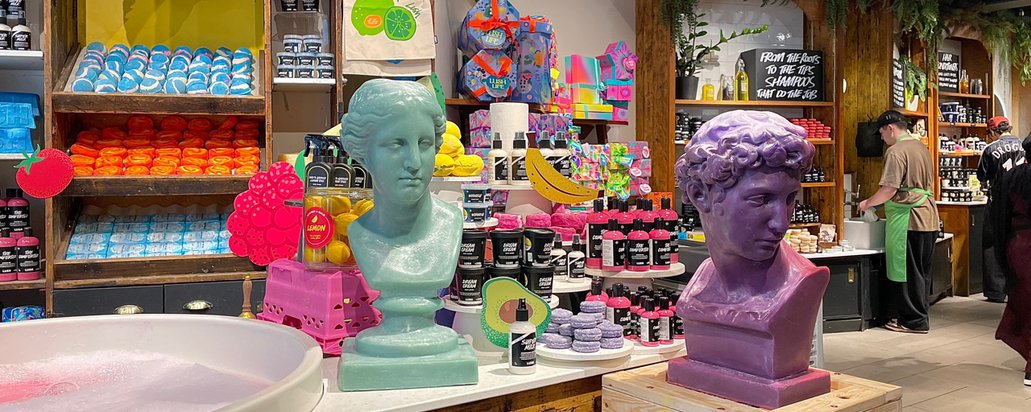
The Korean Cultural Centre UK (KCCUK) is delighted to announce Korean Classic: In Use, a newly commissioned public project by internationally acclaimed artist Meekyoung Shin, developed in collaboration with Lush as part of The Unclassified, an upcoming exhibition at the KCCUK in September. Transforming everyday public spaces across the UK into temporary sites for sculpture, the project allows artworks to circulate beyond the museum before returning to the gallery carrying the physical traces of their journey.
Extending Shin's long-running Toilet Project, the work shifts attention from the erosion of material to the circulation of form. Soap sculptures based on figures familiar to generations of Korean art students are placed within everyday public spaces—including cafés, restaurants, universities, cultural organisations, and selected Lush stores—where visitors are invited to use them freely.
Rather than preserving the sculptures as untouchable artworks, Korean Classic: In Use allows them to change through contact. Every interaction leaves a physical trace, transforming each sculpture into a unique record of the people and places that shaped it. When the works return to the Korean Cultural Centre UK in September, they will be exhibited as material evidence of lived experience accumulated across multiple sites.
Developed in collaboration with Lush, whose handmade, package-free soap forms the material foundation of the project, the partnership extends beyond sponsorship. Soap manufactured by Lush became the very substance through which the artworks were realised during Shin's residency at the Glenfiddich Distillery in Scotland before being distributed across Lush stores in Glasgow, Edinburgh, Liverpool, and London. The collaboration reflects a shared interest in material transformation, sustainability, and everyday encounters.
After bringing in to the KCCUK for The Unclassified in September, Korean Classic: In Use will offer one response to the exhibition's central question: what lies beyond the museum's system of preservation? Rather than remaining protected within institutional space, the sculptures exist first in everyday life, where touch, time, and use become part of the work itself. What returns to the exhibition is therefore not simply sculpture, but the material record of its encounters beyond the museum.
Korean Classic: In Use is also presented across several locations in London, including the Korean Cultural Centre UK, SOAS University of London, Delfina Foundation, Café Babka, Gaia Food & Drinks, and SOOM Restaurant.