
Inventing Bloodlines: Claiming and Contesting Ancestry in Modern Korea
- K-Seminar Series: Special Lecture by Professor Nuri Kim
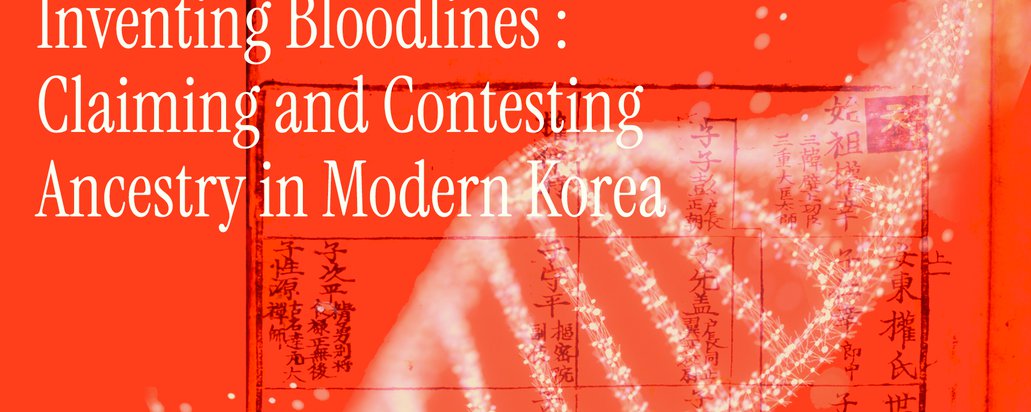
The Korean Cultural Centre UK (KCCUK, will host a special lecture on 27 March 2025 (Thursday) as part of its K-Seminar Series, inviting Professor Nuri Kim of the University of Cambridge to deliver a talk titled ‘Inventing Bloodlines: Claiming and Contesting Ancestry in Modern Korea.’
This lecture will explore how debates surrounding lineage, ancestry, and family heritage have influenced the formation of identity and sparked ongoing historical and social controversies in modern Korean society. As growing interest in Korean history continues across the UK, the event aims to deepen the understanding of how notions of bloodline have shaped both collective narratives and individual self-perception in Korea.
Director Seunghye Sun emphasized the significance of reinterpreting tradition in shaping the future, noting that in the UK—where traditional values are held in high regard—the Korean concept of tong, which encompasses both bloodline and the legitimate transmission of regional, ideological, or cultural heritage, offers a meaningful framework for understanding Korean aesthetics and cultural foundations. She stated, “The academic study of how these concepts are inherited and transformed in modern society provides an important opportunity to identify the roots of Korean culture and discover what makes Korean aesthetics distinctive.”
A specialist in modern Korean history, culture, and religion, Professor Nuri Kim will examine how claims of descent from aristocratic yangban families have been constructed, authenticated, or disputed throughout Korea’s modern era. While many Koreans identify themselves as descendants of prestigious lineages, not all such claims can be historically accurate.
The lecture will address which genealogical assertions are credible, which may have been fabricated, and the social factors that motivated these claims. Professor Kim will also discuss how Koreans have restructured and reinforced their family histories in response to shifting social conditions, analysing the political and social conflicts that emerged from these processes. By placing debates over lineage within their historical contexts, the lecture will illuminate how ancestry has affected social status, personal identity, and the evolving meaning of family heritage in Korean society.
For more details, please visit https://kccuk.org.uk